Living in the now: Embracing the Sunset Moments
Welcome to the Cindy's - Dementia blog, where we explore the profound journey of dementia with insights, compassion, and hope. Our unique focus on 'Living in the Now!' helps everyone understand brain change and find ways to thrive. We're here to connect, support, and inspire.
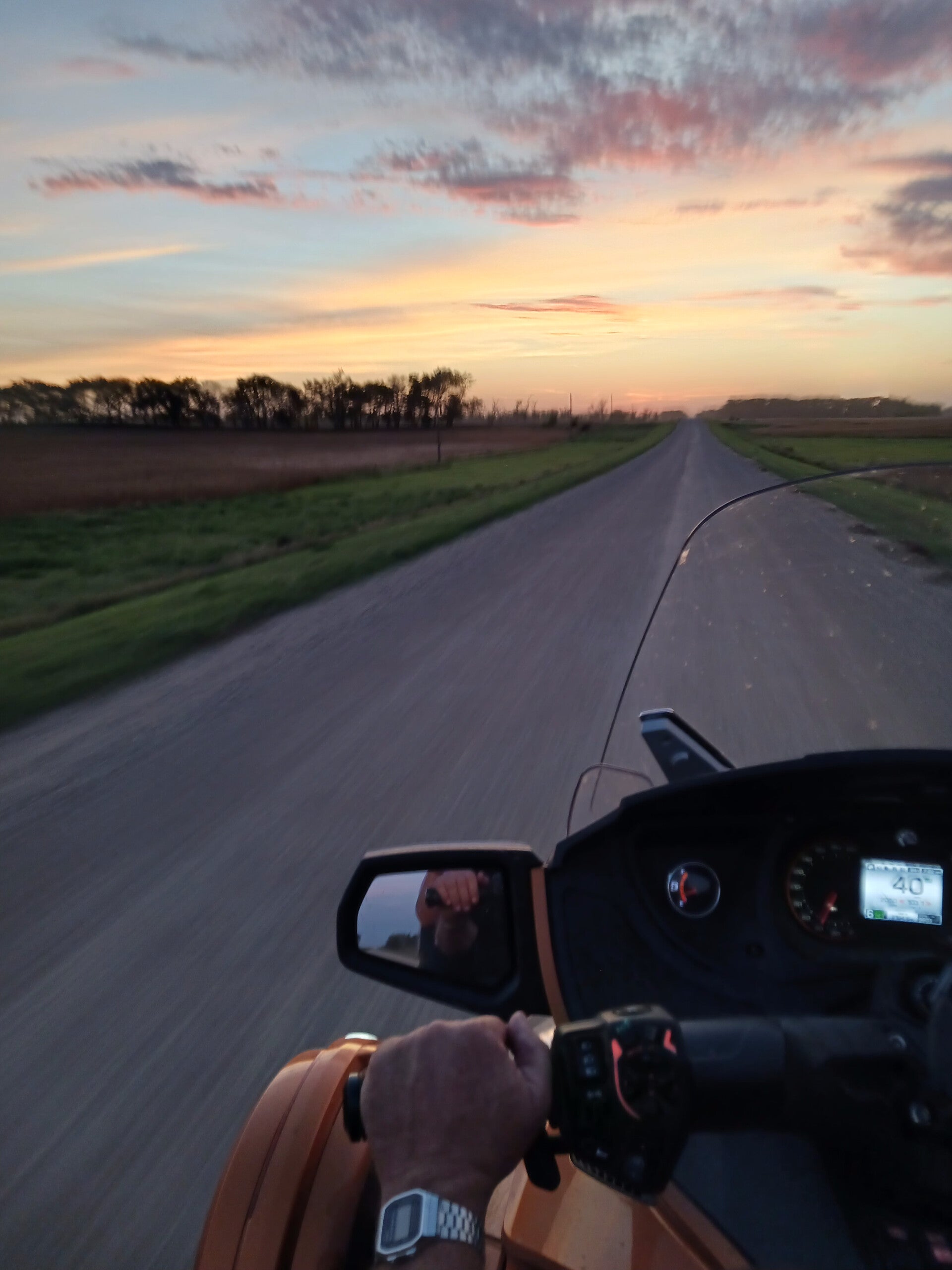
Embracing each moment: The power of 'Living in the Now!'
Hello everyone — I’m Cindy Oien
This is my first attempt at writing a blog, and I’m grateful you’re here as I begin this new journey.
A little about me: I’ve been a nurse for many years, most of that time spent working in Long Term Care. Over the years, I discovered that the residents living with dementia became my favorite people to care for. Their world is different—tender, unpredictable, and often misunderstood—but it is also filled with moments of incredible connection, honesty, and quiet beauty.
Dementia became personal for me when my step‑mother was diagnosed with Pick’s disease, a form of frontal lobe dementia, at a very young age. I walked beside her through her journey. If I’m honest, I often wish I had known then what I know now. Understanding her illness more deeply would have made it easier to make sense of the changes we were seeing. It would have eased some of the confusion and softened some of the pain.
So why did I choose the name “Living in the Now — Embrace the Sunset Moments”
Because dementia teaches us something profound: each moment matters. The present is where connection still lives—sometimes quietly, sometimes unexpectedly, sometimes in ways that don’t look the way they used to. Just like a beautiful sunset, these moments can be fleeting… but they can also be breathtaking if we pause long enough to truly see them.
Sunsets don’t ask us to hold on to what the sun was five minutes ago; they invite us to simply be with the beauty that exists right now. Dementia asks the same of us.
So come along with me as we explore the world of dementia together. My goal is to share insights, stories, and gentle guidance that help you recognize, cherish, and honor those “sunset moments” with your loved ones.
Thank you for stopping by and checking out my blog. I’m so glad you’re here.
Please contact me with any questions.
Why Early Diagnosis Matters: Starting the Dementia Journey with Clarity and Courage!
Thank you to everyone who has visited my site and taken the time to read my blog. Today, I want to begin at the true beginning of this journey: **early diagnosis**. Many people wonder, “Why get a diagnosis in the first place?”
But just like with any disease, early diagnosis is crucial. And sadly, the path to getting one is not always straightforward.
I’ve heard heartbreaking stories from families who watched their loved ones struggle—not only with symptoms, but with the uncertainty that comes when even healthcare professionals don’t know what to say or do after giving a diagnosis. I saw this firsthand in my own family.
Before my stepmother was finally diagnosed, we met with two psychiatrists and a psychologist. All three told us she was “faking it” to get disability. But we knew better. We lived with her. We saw the changes, the confusion, the sudden shifts that didn’t make sense. And we refused to stop searching for answers.
Eventually, we found someone willing to listen. Someone who looked deeper. And that’s when she was diagnosed with Pick’s Disease, a form of frontotemporal dementia known for early onset. Once we had a name, everything made sense — the symptoms aligned, the behaviors had context, and we finally had something to research, understand, and prepare for. That diagnosis didn’t fix everything. But it changed everything.
So what happens after the diagnosis?
First, it helps to understand that “dementia” is an umbrella term** — not a single disease. Under that umbrella are more than 120 different diagnoses, including:
- Alzheimer’s
- Lewy body dementia
- Vascular dementia
- Frontotemporal dementias (like Pick’s Disease)
- And so many others
Each one presents differently. Each one affects the person — and the family — in its own way. That’s why having the right diagnosis matters. It guides care, planning, support, and expectations.
Why does early diagnosis make a difference?
Getting clarity early on helps:
🌟 Families prepare - Emotionally, logistically, and financially.
🌟 Physicians tailor treatment - Medications, therapies, and resources can be more effective when started sooner.
🌟 Individuals maintain control - It gives the person living with dementia a voice in their own care, decisions, and hopes for the future.
🌟 Support systems activate sooner - Community, education, and services can wrap around the family early — not after a crisis.
You’re not alone!
If you're beginning this journey, or suspect something isn’t right with a loved one, I want you to hear this clearly: Trust your instincts. Push for answers. Keep advocating. No one knows your loved one better than you do.
Early diagnosis doesn’t solve every problem, but it opens the door to resources, understanding, and a path forward. And that path is a lot easier to walk when you know what you’re facing.
So please reach out and feel free to contact me with any questions or concerns.
Together, we can learn how to “be in the now” and capture — and embrace — every sunset moment we can with our loved ones.
Thank you again for joining me in this world of dementia and for helping make a meaningful difference for those living with dementia and for their care partners.